
More and more over the past 2-3 years, I’ve been focused on what is the future of the classic car hobby.
Many questions come up, often these being the major ones:
Who will be the leading force behind the hobby?
What will happen with values for classic cars?
Why have prices gone up for all aspects of the hobby?
Where will interest go for younger generations interested in classic cars?
These are tough questions to answer, with no direct answer.
Thankfully, there are people who are realizing this and are actively looking for ways to bridge the gap between generations to keep the hobby going strong.
Prices are rising for all material aspects of the classic car hobby, from parts to the cars themselves.
Parts follow the same process like every other material item; if there is demand but little supply, prices go up accordingly. That’s nothing new…
However, the cars themselves are a totally different game as compared to even just a decade ago. There is still supply to keep up with the demand, although speculation has spread into all areas without reason or rhyme as more and more people look at classic cars as an investment opportunity.
Another factor in this is the trend that current owners of classic cars want to keep the value of their cars as long as possible, keeping many of them from selling and passing on those same cars onto younger generations.
I understand the reasoning, who wants to lose their hard-earned money?
However, this is a major reason behind the delayed generational shift, causing younger generations to lose hope and interest in cars they would otherwise have a chance to own. Only recently, some cars would stay within the $10,000 to $20,000 range for a decent example, although that can’t be said as often now. At one time when cars, with the exception of some marques, were being restored, it wasn’t because the expectation that the car would be worth a fortune once it was restored was the first thought; cars were restored because there was an attachment or attraction or interest of some sort.
Scarcity of parts and decent project cars is having a negative effect. What used to be an easy to find part is now becoming impossible to find.
Services and businesses focused towards classic cars are getting hard to find and whatever is available is manned by older generations primarily, with the costs of everything going up. It’s all too common to people who are in the classic car hobby; as more and more people retire, there is nobody there to take over their positions, and much knowledge is lost in the process.
Also, whatever companies are still in operation increase their prices due in equal parts to environmental regulations or taxes and the reality that as car values go up, so does the cost of service as customers have higher expectations of the work done and less interest in keeping costs as low as possible. Take the artwork restoration industry as an example…
Off-topic, although a factor heavily influencing the reality of this topic, the cost of living more than ever dictates how realistic it is to restore a car to perfect condition. For younger generations facing housing costs that have them priced out of home ownership and rental costs going up constantly, less and less funds are available for hobbies and interests. Not to mention wages have not increased to offset these other living expenses.
At a time when the cost of living and of owning a new home really was low in comparison to wages, people were able to pursue hobbies like classic cars.
As everything goes up in price, naturally some unnecessary expenses have to be cut out. Taking into consideration that something like a paint job for a classic car could be found for around $5000 just 15 to 20 years ago, whereas now there are many quotes I’ve heard from other people with classic cars that paint jobs have inflated to anywhere between $30,000 to $100,000. Unbelievable, but true!
Expectations have changed from one generation to the next; For younger generations there is more of an emphasis on cars being ready to enjoy on demand, regardless of what their current appearance is. There is subsequently less importance placed on cars being 100% accurate to factory original specification.
Not to neglect that section of the hobby, there are always going to be museum quality cars that people have an interest in keeping 100% original, although that will be a smaller percentage than before, most likely.
As long as the car is safe to drive, does the appearance matter that much?
One of the best ways to enjoy a car is to drive it, after all.
If it puts a smile on your or someone else’s face, that’s whats important!
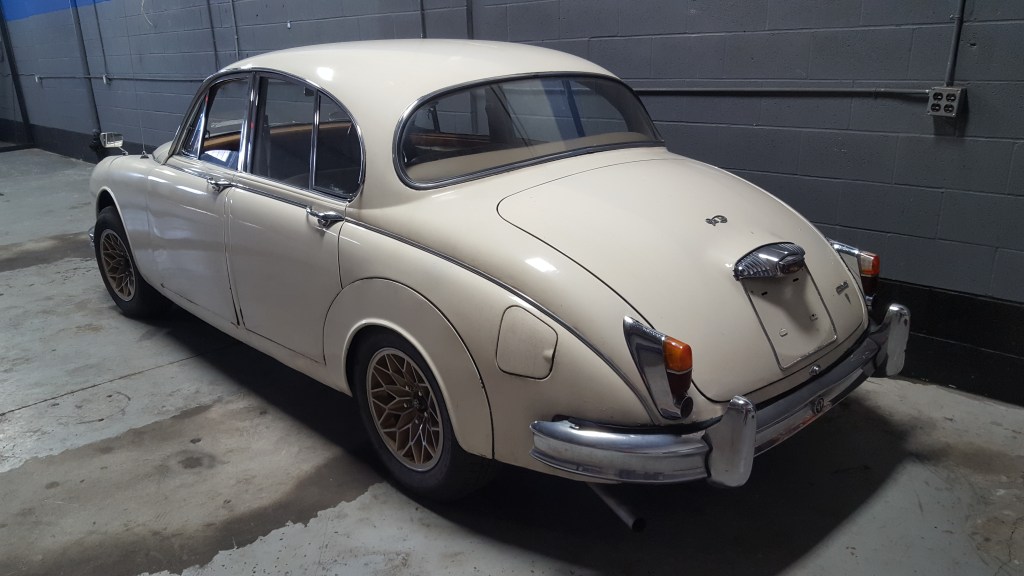
As far as personal experience with cars that would fit on both sides of the table, I’ve owned unrestored survivors with an older repaint, to completely restored although modified classics. Both have their place, and neither can be said to be better than the other.
Many decades ago, when the hobby was at its largest in terms of people involved, it wasn’t just because of personal interest; it was more often a necessity for many young people who couldn’t afford a new car. Much has changed since then, with classic cars no longer being looked at as something worth less than a new car. The expectations many people have should change, if the classic car hobby is to continue on with younger generations who either can’t or decide not to follow the same line as previous generations.
Who knows, there may be many surprises coming from what younger generations are able to do for the hobby, if given the chance.
I don’t need a successor, only willing hands to accept the torch for a new generation.
Billy Graham
 pravaline.ca
Leave a comment